
When Should You Consider a Vessel Refit or Retube?
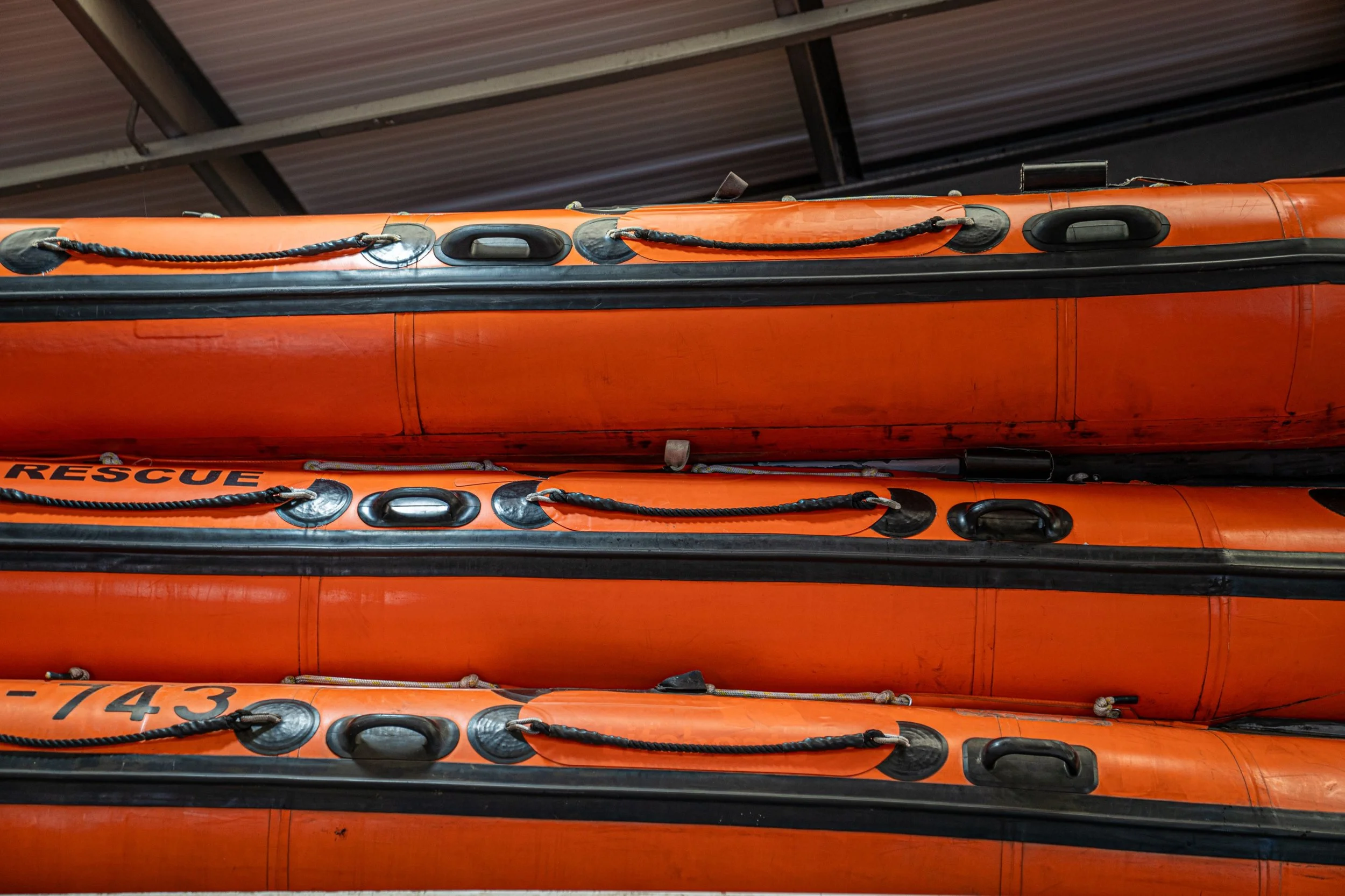
For many commercial operators, replacing a vessel isn’t always the most cost-effective option. In many cases, a well-timed refit or retube can significantly extend the life of an asset while improving reliability and performance.
But timing is everything.
Understanding Condition vs Age
A vessel’s age doesn’t always reflect its condition. High-use vessels operating in harsh environments may require earlier intervention, while lower-use assets may remain serviceable for longer.
That’s why a condition-based approach is key.
At Neptune Marine Solutions, we assess vessels based on real-world performance, wear patterns and operational demand — not guesswork.
Signs a Refit May Be Needed
Common indicators include:
Increasing frequency of faults or breakdowns
Visible wear or degradation in key components
Reduced performance or efficiency
Recurring issues that are becoming more costly to repair
For RIBs, tube condition is particularly important. Seams, valves and wear points can all indicate when a retube is required.
The Benefits of Acting Early
Planning a refit at the right time helps:
Reduce unplanned downtime
Avoid more costly failures
Improve reliability and safety
Extend the operational life of the vessel
It also allows work to be scheduled during suitable maintenance windows, minimising disruption.
A Condition-Based Approach
By combining inspections, maintenance history and real-world usage data, Neptune Marine Solutions provides clear, evidence-led recommendations on when refit work should be carried out — and what scope is required.
The result is a smarter, more cost-effective approach to vessel lifecycle management.